



















 Back
Back

The Rise of the Online Bond Platform Provider (OBPP): Revolutionising Debt Investing in 2026
Online Bond Platform Providers (OBPPs) are the digital architects of India’s modern debt market, transforming what was once an exclusive, institutional-only asset class into a transparent and accessible playground for retail investors. Regulated by SEBI, these platforms allow you to browse, compare, and invest in corporate and government bonds with the same ease as buying a stock.
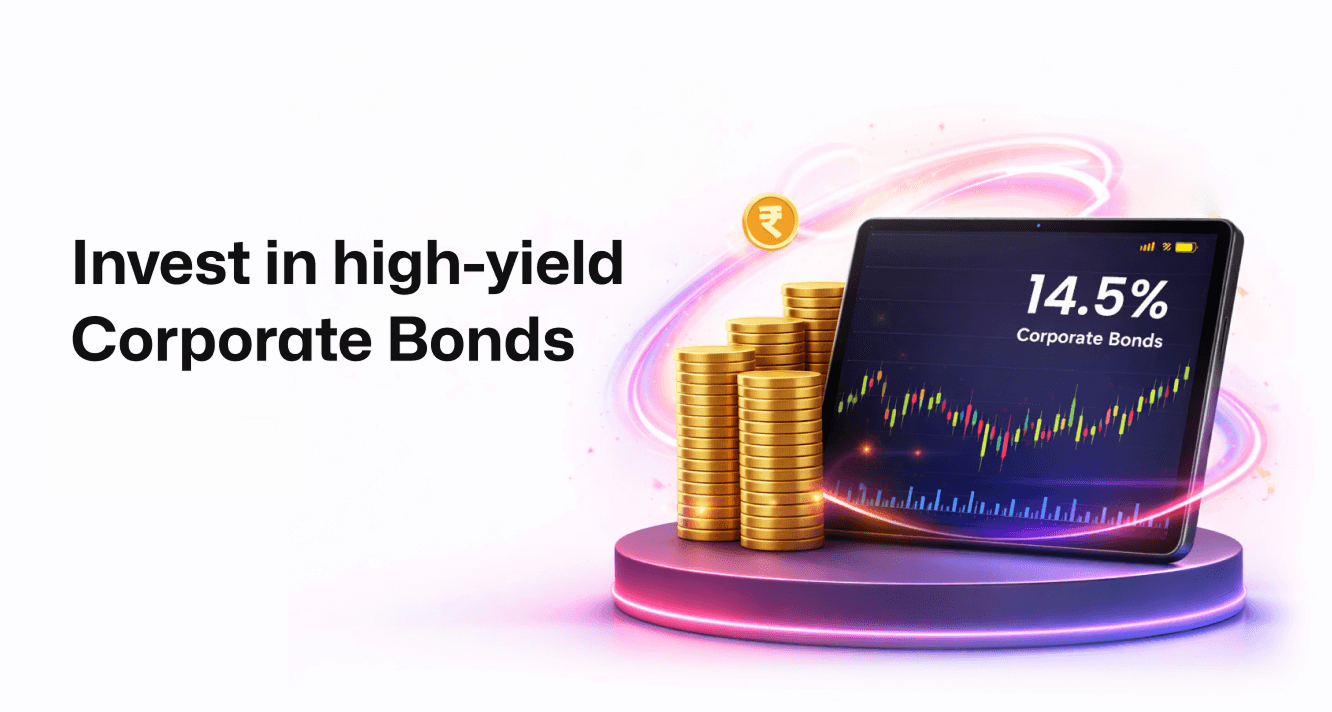
This guide explores how OBPPs like Stashfin are democratizing fixed income, offering high-yield opportunities—such as Akara Capital’s 14.5% returns—to everyone with a smartphone and a Demat account.
What is an Online Bond Platform Provider (OBPP)?
In the financial landscape of 2026, an Online Bond Platform Provider (OBPP) is a SEBI-regulated entity that acts as a digital bridge between bond issuers (like corporations or the government) and retail investors.
Before the OBPP framework was formalized, the bond market was "opaque." Buying a bond often required a ticket size of ₹10 Lakhs to ₹1 Crore, physical paperwork, and a relationship with a high-end wealth manager. Today, an OBPP acts as a one-stop digital shop where:
- Ticket Sizes are Low: You can start with just ₹10,000.
- Compliance is Built-in: Platforms must be registered stock brokers and adhere to strict SEBI (Issue and Listing of Non-Convertible Securities) Regulations.
- Discovery is Instant: You can filter bonds by credit rating, yield, and maturity in seconds.
Why 2026 is the "Year of the Bond"
With the RBI Repo Rate holding at 5.25%, 2026 has seen a unique "yield sweet spot." While bank FDs are struggling to outpace inflation, the corporate bond market is thriving.
The Regulatory Shield
As of January 2026, SEBI has further tightened the OBPP guidelines to ensure maximum protection. Every OBPP must now:
- Appoint a dedicated Compliance Officer.
- Display a mandatory Risk-o-meter for every bond.
- Ensure all transactions are settled via the Exchange RFQ (Request for Quote) platform to eliminate counterparty risk.
How OBPPs Like Stashfin Empower Retail Investors
Stashfin, through its association with Akara Capital, has pioneered a high-yield model that combines the best of technology and debt security.
A. The 14.5% "Alpha" Yield
The biggest USP of modern OBPPs is the ability to offer "Alpha"—returns that exceed the market average. While AAA-rated government bonds hover around 7–8%, Stashfin offers curated Secured Corporate Bonds with yields as high as 14.5%. This is possible by cutting out the middleman and allowing retail investors to lend directly to high-growth NBFCs like Akara Capital.
B. Monthly Income: The Passive Income Engine
Traditional investing often feels like a "wait-and-see" game. OBPPs have introduced Monthly Payout structures. Instead of waiting years for a maturity check, your interest hits your bank account every 30 days. This makes bonds an ideal replacement for rental income or a secondary salary.
C. 100% Digital Execution
The 2026 digital workflow is entirely paperless:
- Video KYC: Verified in under 3 minutes.
- UPI Integration: Pay for your bonds instantly.
- Demat Credit: Your bonds are stored safely in your NSDL/CDSL account.
Understanding the Risks: Credit Ratings & Security
Not all bonds are created equal. An OBPP’s job is to provide the data; your job is to interpret it.
- Secured vs. Unsecured: Look for Secured Bonds. These are backed by the company's assets. If the company fails, you have a legal claim on those assets.
- Credit Ratings: In 2026, ratings like BBB/Stable represent a "sweet spot" for retail investors, offering high interest while remaining within the investment-grade boundary.
- Market Liquidity: Most bonds on an OBPP are Listed. This means if you need cash before the tenure ends, you can sell your bond on the NSE or BSE secondary market.
Comparing the Investment Landscape (2026 Data)
| Feature | Bank FD | Mutual Funds (Debt) | OBPP (e.g., Stashfin) |
|---|---|---|---|
| Returns | 6.5% – 7.5% | 7% – 9% (Variable) | Up to 14.5% |
| Predictability | High | Low (NAV fluctuations) | High (Contractual) |
| Taxation | Slab Rate | 12.5% LTCG (after 1 yr) | Slab Rate (Interest) |
| Monthly Income | Rarely | Optional (SWP) | Standard Feature |
| Regulator | RBI | SEBI | SEBI |
Conclusion
The emergence of the Online Bond Platform Provider has permanently shifted the power dynamic in Indian finance. No longer are high-yield, secured returns reserved for the elite. By combining regulatory oversight with fintech agility, platforms like Stashfin and Akara Capital have made it possible for any Indian with ₹10,000 to build a diversified, high-yield portfolio.
As we move through 2026, the question is no longer if you should invest in bonds, but which bonds fit your goals. With 14.5% annual returns and the security of a regulated framework, the "Smart Money" has already moved to digital debt.

