



















 Back
Back

Breaking the Barrier: A Guide to Minimum Investment Corporate Bonds in 2026
For decades, the Indian corporate bond market was an exclusive playground for institutional giants and high-net-worth individuals. If you didn't have ₹10 Lakhs to spare, you were largely locked out of high-yield debt, forced to settle for the modest returns of bank Fixed Deposits.
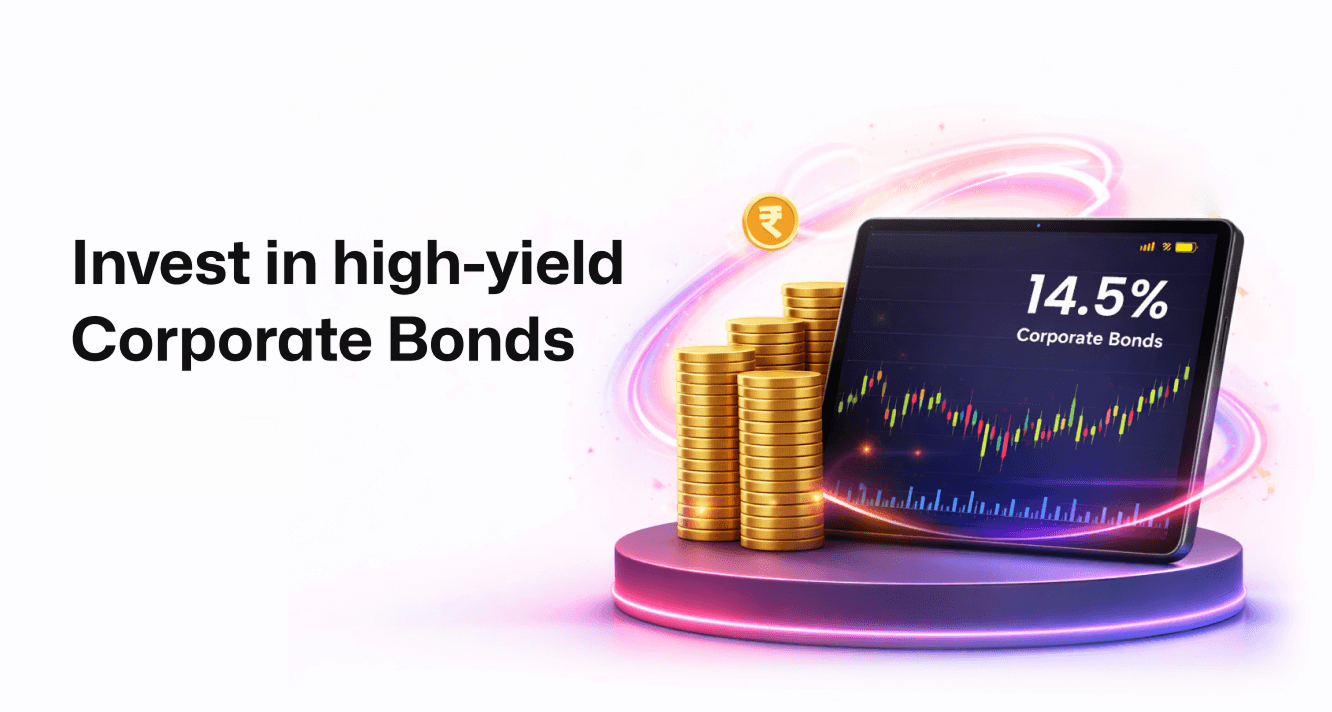
However, 2026 has marked a "Retail Revolution" in the debt market. Driven by SEBI’s landmark regulation reducing the minimum face value of bonds and the rise of digital platforms like Stashfin, the entry barrier has come crashing down. Today, you can diversify your portfolio with Minimum Investment Corporate Bonds starting as low as ₹10,000, unlocking institutional-grade yields of up to 14.5% p.a.
The 2026 Shift: Why Minimum Investment Bonds are Trending
The financial landscape of March 2026 is defined by the "retailisation" of debt. Two major factors have made this possible:
A. SEBI’s Regulatory Push (The ₹10,000 Milestone)
In a move to deepen the bond market, the Securities and Exchange Board of India (SEBI) officially lowered the minimum investment amount for privately placed corporate bonds from the traditional ₹1 Lakh to just ₹10,000. This allows everyday investors to participate in the same debt instruments that banks and insurance companies use to grow their wealth.
B. The 5.25% RBI Repo Rate Environment
With the RBI Repo Rate holding at 5.25% after a period of cooling, traditional savings accounts and FDs are offering "real returns" that barely stay ahead of inflation. In contrast, corporate bonds—specifically those from high-growth NBFCs like Akara Capital—are offering a massive "spread," providing yields nearly double that of the benchmark.
Benefits of Small-Ticket Corporate Bonds
Investing in corporate bonds with a lower entry point isn't just about accessibility; it’s about smarter wealth management.
- Predictable Monthly Income: Unlike the stock market, corporate bonds are a contractual obligation. Modern bonds on the Stashfin app offer Monthly Payouts, providing a steady secondary income stream.
- Superior Diversification: Previously, ₹50,000 could only buy one bond. Now, with the ₹10,000 minimum, you can spread that same amount across five different issuers or sectors, significantly reducing your Credit Risk.
- Higher Yields than FDs: While bank FDs currently hover around 6.5% – 7.8%, Akara Capital Bonds on Stashfin offer 14.5% annual returns. This extra 7% "Alpha" can cut years off your long-term financial goals.
High-Yield Spotlight: Akara Capital Bonds (14.5% p.a.)
In the current 2026 market, Akara Capital Advisors Private Limited (the parent NBFC of Stashfin) has emerged as a leader in retail debt.
| Feature | Akara Capital Bond Details |
|---|---|
| Annual Return | 14.5% p.a. |
| Minimum Investment | ₹10,000 |
| Payout Frequency | Monthly |
| Credit Rating | BBB (Investment Grade) |
| Security | Secured Corporate Bond (Backed by Assets) |
Risk vs. Reward: The "Barbell Strategy"
While the 14.5% return is attractive, savvy 2026 investors use a Barbell Strategy:
- The Safe End: 60-70% of funds in AAA-rated bonds or G-Secs (offering 7.5% - 8.5%).
- The Yield End: 30-40% of funds in high-yield bonds like Akara Capital (offering 14.5%).
This approach protects your principal while ensuring your overall portfolio yield beats both inflation and traditional bank deposits.
Conclusion
The democratisation of the Indian debt market has permanently changed how we save. By lowering the minimum investment for corporate bonds to ₹10,000, regulators and fintechs have given retail investors the tools to build institutional-quality wealth. Whether you are seeking a monthly "salary" from your investments or looking to beat the 7% FD ceiling, high-yield secured bonds are the smartest addition you can make to your 2026 portfolio.

