




















 Back
Back

Junk Bonds in 2026: Navigating the High-Yield Debt Market in India
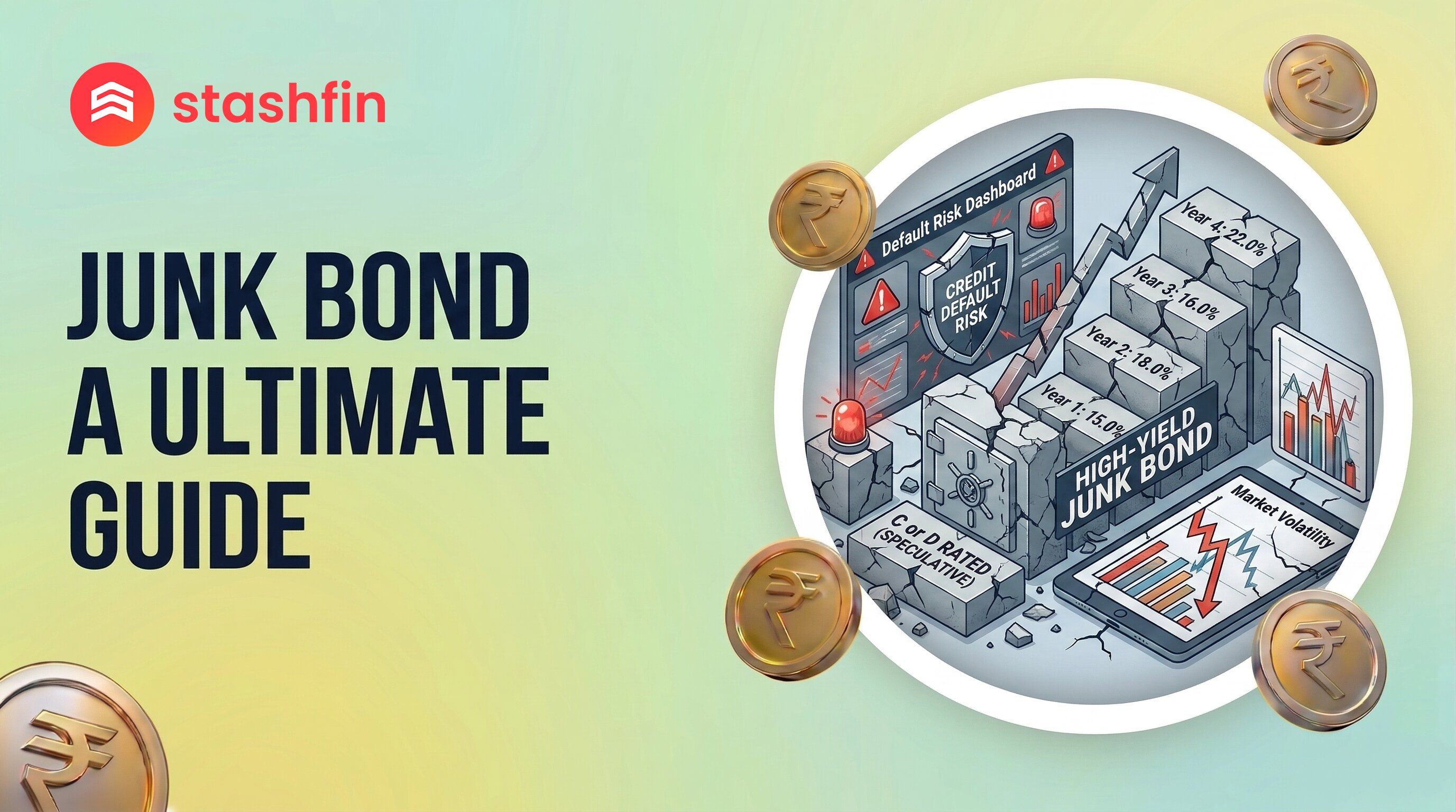
In the sophisticated financial landscape of 2026, the term "Junk Bond" is often misunderstood. While the name sounds derogatory, in the world of professional investing, these are more formally known as High-Yield Bonds.
As the RBI Repo Rate sits at 5.25% and traditional bank FDs struggle to cross the 7.5% mark, junk bonds have emerged as a polarising yet powerful tool for retail investors. Offering double-digit returns that can soar as high as 14% to 18% p.a., these bonds are the "spices" of a portfolio—too much can be risky, but the right amount can significantly enhance your overall wealth.
What is a Junk Bond? (The 2026 Definition)
A Junk Bond is a corporate bond that is rated "below investment grade" by credit rating agencies like CRISIL, ICRA, or CARE. In technical terms, any bond with a credit rating of BB+ or lower is classified as a junk bond.
Why "Junk"?
The label doesn't mean the company is a failure; it simply means the issuer has a higher probability of defaulting on its payments compared to a "Blue Chip" company. These issuers are often:
- Startups or High-Growth Firms: Companies with high potential but a short track record.
- Fallen Angels: Formerly great companies that have hit a rough patch and seen their ratings downgraded.
- Rising Stars: Young companies on their way to becoming investment-grade but currently needing expensive capital to grow.
Junk Bonds vs. Investment-Grade Bonds: The 2026 Spread
The primary reason anyone buys a junk bond is the Credit Spread—the extra interest you get for taking on extra risk.
| Feature | Investment-Grade (AAA to BBB) | Junk Bonds (BB and Below) |
|---|---|---|
| Safety Level | High to Moderate | Low (Speculative) |
| Typical Yield (2026) | 7.5% – 12.5% | 13% – 18% + |
| Default Risk | Low to Moderate | Higher (Varies by Rating) |
| Issuer Type | Banks, PSUs, Big Corps, NBFCs | Small NBFCs, Distressed Firms, Startups |
| Liquidity | Easy to sell on NSE/BSE | Difficult to sell quickly |
The Risks You Must Navigate
Investing in junk bonds is not a "set-and-forget" strategy. In 2026, three specific risks dominate this segment:
- Default Risk: If the company goes bankrupt, junk bondholders are often "unsecured," meaning they are far down the list of people who get paid back. In 2026, default rates for BB-rated bonds hover around 2% to 4%.
- Liquidity Risk: Because these bonds are considered risky, there are fewer buyers in the secondary market. You might have to sell your bond at a heavy discount if you need immediate cash.
- Interest Rate Sensitivity: If the RBI unexpectedly hikes rates in late 2026, the price of existing junk bonds can crash as investors pivot to safer assets.
The "Sweet Spot": Why Stashfin’s Akara Capital Bonds are Different
Many investors confuse High-Yield Bonds with Junk Bonds. However, there is a "Sweet Spot" in the middle known as BBB. Akara Capital Bonds (offered on Stashfin) are a prime example of this middle ground.
- Rating: They typically carry a BBB/Stable rating. This means they are Investment Grade, not junk.
- Returns: They offer 14.5% p.a., which rivals the returns of junk bonds without the "speculative" label.
- Security: Unlike most junk bonds which are unsecured, Akara Capital Bonds are Secured, meaning they are backed by the company's assets.
3 Strategies for Investing in Junk Bonds Safely
If you decide to venture into the junk bond market in 2026, follow these "Survival Rules":
- The 5% Rule: Never let junk bonds (BB or lower) exceed 5% of your total portfolio. Use them as a "performance booster," not the foundation.
- Focus on "Rising Stars": Look for companies with improving financials. If a company moves from BB to BBB, the price of its bond will jump, giving you capital gains.
- Check the Asset Cover: Only buy junk bonds that are Secured. If a company is risky, you want a legal claim on their machinery, property, or loan book.
Conclusion
Junk bonds are the "High-Stakes" game of the 2026 debt market. For most retail investors, the risk of a total default on a BB-rated bond is often too high.
The smarter move in the current 5.25% Repo Rate environment is to target the High-Yield Investment Grade segment. By choosing Akara Capital Bonds on Stashfin, you can lock in a 14.5% yield with the peace of mind that comes from a credit-rated, secured issuer.

